Lillie Road insider tips for Earls Court removals
Posted on 30/06/2026

If you are planning a move around Earls Court, the Lillie Road stretch can either make the day feel surprisingly smooth or, if you get the details wrong, turn into one of those classic London moving headaches. Tight streets, busy parking, basement flats, shared entrances, and the usual "where on earth do we stop the van?" moment all play a part. The good news? With the right local knowledge, Lillie Road insider tips for Earls Court removals can save time, reduce stress, and help you avoid the little problems that tend to snowball on moving day.
In this guide, we'll cover the practical side of moving in and around Lillie Road: how access works, what to plan for, which moving option suits different homes and businesses, and the mistakes that catch people out far too often. We'll keep it grounded, local, and useful. No fluff. Just the kind of advice that makes a real difference when there are boxes stacked by the door and the kettle has already been packed by mistake.
Why Lillie Road insider tips for Earls Court removals Matters
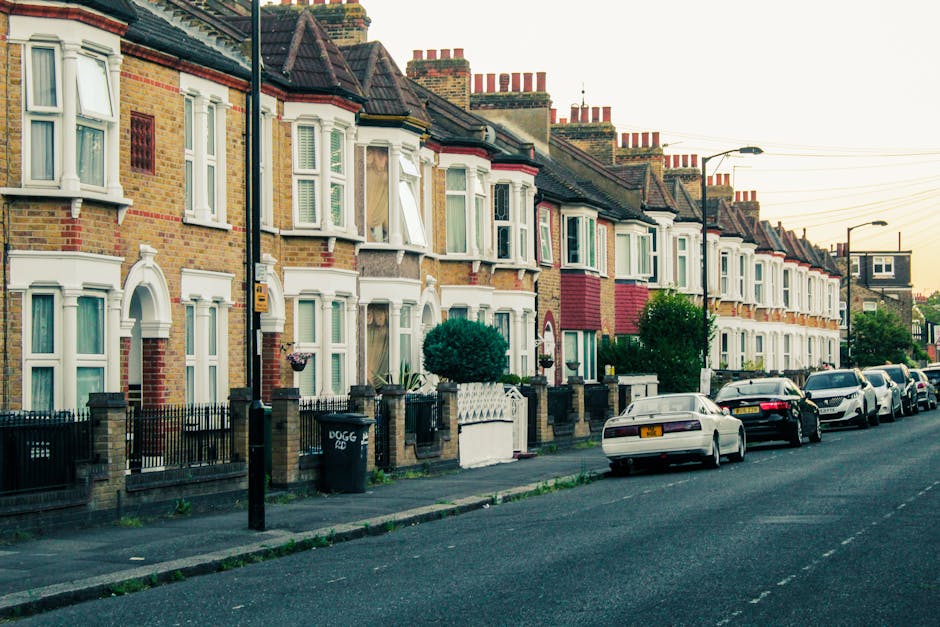
Lillie Road sits in one of those parts of London where the map looks straightforward, but the lived reality is a bit more nuanced. On paper, it's just a road. In practice, it often involves loading restrictions, narrow approaches, blocks with awkward entry points, and people working to their own schedules in nearby flats and shops. That is exactly why local removals knowledge matters.
When you are moving in Earls Court, the challenge is rarely just the lifting. It is the coordination: the timing, the access, the vehicle choice, the building rules, and the pace of traffic around the area. A move that would be simple in a suburban cul-de-sac can take much longer here if you do not think ahead. To be fair, most moving stress in London comes from logistics, not the boxes themselves.
There is also a common misconception that all removals are basically the same. They are not. A first-floor flat with wide stairs is a very different job from a garden-level apartment with a narrow hallway, or an office with shared building access. If you are near Lillie Road, details like doorway width, stair turns, and whether a removal van can stop legally and safely make a genuine difference. A tiny detail, maybe. But a costly one if ignored.
For that reason, local guidance is not just helpful; it is the thing that keeps the whole move from becoming messy. It helps you choose the right removal services in Earls Court, decide whether a smaller vehicle would be smarter than a larger one, and understand where extra time may be needed. That is the sort of knowledge that keeps a move calm rather than chaotic.
How Lillie Road insider tips for Earls Court removals Works
The basic idea is simple: you plan the move around local conditions instead of treating the area like a generic postcode. That means studying your property layout, working out where vehicles can stop, deciding which items need specialist handling, and building in time for the things London does best-traffic, interruptions, and slight delays when you least want them.
In practical terms, the process usually starts with a short review of what is actually being moved. A one-bedroom flat, a studio, a family home, and a small office will each need a different plan. From there, you match the job to the right team or vehicle. Sometimes a man and van in Earls Court is ideal for a smaller move. Sometimes a larger removal van or full-service team makes more sense. It really depends on the amount of furniture, access, and the time window available.
Then comes route and access planning. This is where local awareness pays off. If your building is on or near Lillie Road, you want to think about:
- Where the vehicle will stop without causing issues
- Whether you need a loading bay, parking space, or short carry distance
- How many stairs or lifts are involved
- Whether items like beds or wardrobes need dismantling first
- What time of day is least stressful for the move
Once those pieces are clear, packing and loading become much more efficient. You are not just throwing boxes into a van. You are sequencing the load so the heaviest items go in safely, fragile items stay protected, and the unload at the other end is as painless as possible. In our experience, that sequencing alone can shave a surprising amount of time off the day.
If you need a deeper sense of the broader moving support available locally, it can help to look at the wider services overview and the area-specific removals in Earls Court page before deciding how much help you actually need. Sometimes the best move is the one that is properly sized, not the one that looks cheapest at first glance.
Key Benefits and Practical Advantages
The main benefit of local insider tips is simple: fewer surprises. But the practical upside goes much further than that.
- Better timing: You can schedule around known pinch points and avoid the rush where possible.
- Smoother access: A local-aware plan helps reduce delays at the kerb, in the hallway, or at the front door.
- Less risk of damage: The right handling and vehicle choice lowers the chance of scraped furniture or knocked walls.
- Lower stress: People feel calmer when they know the day has been planned properly. That matters more than most admit.
- More accurate quotes: A move that is assessed honestly tends to avoid nasty add-ons later.
There is also a commercial advantage. If you are comparing providers, a company that understands Earls Court properly will usually ask more pointed questions. They will want to know about stair access, parking restrictions, heavy items, and whether you need help with dismantling or packing. That can feel slightly fussy at first, but it is a good sign. The awkward stuff is where moving plans succeed or fail.
For example, if you are relocating a flat with limited storage space and a lot of furniture, you may benefit from temporary holding arrangements such as storage in Earls Court. If your move is time-sensitive, that can remove a lot of pressure. Not every move has to happen in one perfect sweep. Sometimes staggered is smarter, and frankly easier on everyone involved.
Another overlooked benefit is neighbourhood fit. Earls Court has a mix of residents, students, professionals, landlords, and businesses. A local-aware move plan tends to respect the pace of the area and the people in it. That means fewer awkward moments with neighbours, building managers, or commuters passing by with that unmistakable London look of mild impatience.
Who This Is For and When It Makes Sense
These tips are useful for almost anyone moving around Earls Court, but they are especially valuable if your move has any kind of logistical wrinkle. And let's face it, many London moves do.
You will probably find this approach helpful if you are:
- Moving between flats with narrow stairs or shared entrances
- Leaving a property on or near Lillie Road where parking needs to be planned carefully
- Relocating a small office or studio with equipment and files
- Trying to coordinate an end-of-tenancy move with a tight handover
- Moving as a student and working with a narrow budget and limited time
- Handling bulky furniture or one-off specialist items
If you are in a flat, the moving challenge often comes down to access and timing. If you are in a house, the issue may be volume and furniture size. If you are moving a work space, the problem becomes continuity-how to get out, get in, and keep interruptions to a minimum. For that reason, services such as flat removals in Earls Court, house removals in Earls Court, and office removals in Earls Court are worth considering based on the shape of your move rather than just the postcode.
This also makes sense if you are the sort of person who wants the move done once and done properly. Not every moving day needs a heroic DIY story. Sometimes the smartest move is to have experienced help, good packing, and a van that is actually right for the job. No drama. No last-minute scrambling. Bliss, basically.
Step-by-Step Guidance
If you want the move to run well, follow a practical order. Skipping around is where people lose time and patience.
- Assess the move honestly. Count rooms, estimate furniture volume, and note anything heavy, fragile, or awkward. A piano, for example, needs more care than a standard sofa.
- Check access first. Look at stairs, lifts, doorway widths, and where a vehicle can stop. Don't wait until moving morning to notice the pavement is tight.
- Choose the right moving option. A smaller job may suit a man and a van in Earls Court, while a larger or more complex one may need a fuller removal setup.
- Book timing around local conditions. Early starts often work well, especially if you want to avoid the busier periods and reduce waiting.
- Pack by priority. Essentials first, then fragile items, then general contents. Label clearly. Future-you will thank you.
- Prepare dismantling and protection. Remove shelves, secure loose parts, and use proper wrapping for furniture edges and glass.
- Confirm the plan the day before. Check addresses, contact details, access instructions, and any building rules. Small admin, big payoff.
- Load with care and sequence. Heavy items go in securely. Fragile items should not be buried beneath unpredictable chaos.
- Unpack the essentials immediately. Kettle, chargers, medication, documents, toiletries. The usual survival kit.
There is a reason this sequence works: it turns a moving day into a controlled process rather than a set of lucky guesses. If you are hiring help, be clear about your needs up front. If you are doing some of it yourself, do the packing with the same discipline. The day gets easier when each stage has its own place.
For people who need robust packing support, packing and boxes in Earls Court can be a useful part of the plan. Good packing is not glamorous, but it is what protects everything else.
Expert Tips for Better Results
Here is where the local know-how really starts to pay off. These are the kinds of details that tend to separate a smooth move from a slightly fraught one.
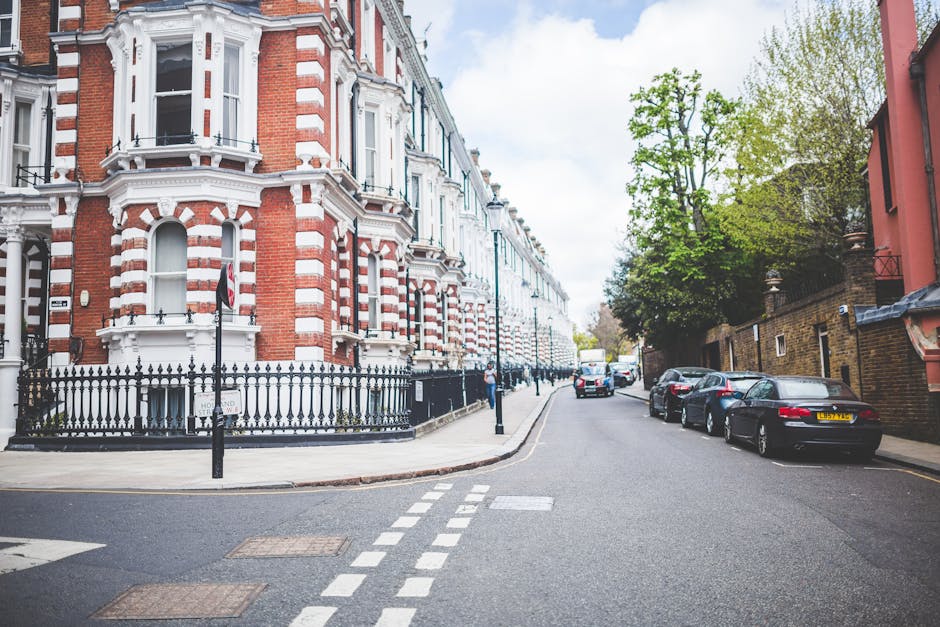
First, respect the street. On a road like Lillie Road, the margin for error is not generous. If you can arrange a more precise arrival window, do it. If you can reduce the number of trips between property and vehicle, even better. Every extra back-and-forth adds friction.
Second, treat bulky items as a planning issue, not a loading issue. A wardrobe that fits in the van may still need dismantling to get out of the flat. The same goes for beds, large desks, and some sofas. The best answer is usually to prepare these items before moving day, not after the team has arrived and the clock is ticking.
Third, think about the unload before you think about the load. That sounds obvious, but people forget it all the time. Where will the boxes go at the new place? Is there a lift? Is there a narrow stairwell? Is the room clear enough to place furniture without blocking the exit? These questions save time later.
Fourth, keep one "do not pack" zone. Put passports, keys, medicines, chargers, and a change of clothes somewhere safe and visible. A tiny bag, even. It sounds basic, but it stops that horrible first-night rummage through ten indistinguishable boxes.
Fifth, don't under-brief the moving team. If there is a tricky entrance, tell them. If the landlord insists on a particular access route, mention it. If there is a piano, especially, say so early. Special items deserve special planning, which is why piano removals in Earls Court should be arranged separately rather than treated as a standard furniture job.
One more thing: if you are comparing providers, the cheapest option is not always the most economical. It is a boring truth, but a real one. A slightly better-planned move often costs less in stress, damage, and time. And honestly, that counts.
Common Mistakes to Avoid
A lot of moving problems in Earls Court are predictable. That is actually good news, because predictable problems are the easiest ones to avoid.
- Ignoring parking and access: Assuming the van can stop anywhere is a classic error. It cannot, usually.
- Overestimating what one person can do: People sometimes think they can handle a full flat move with a few trips and a borrowed trolley. Sometimes yes. Often, not really.
- Packing too late: Midnight packing creates confusion, poor labelling, and missing essentials.
- Forgetting building rules: Some properties need notice, lift protection, or specific moving hours.
- Not measuring large furniture: A bed frame that looks manageable in the bedroom may become a puzzle in the stairwell.
- Choosing the wrong vehicle size: Too small means multiple runs. Too large can make access harder. Balance matters.
- Leaving specialist items to the last minute: Pianos, artwork, mirrors, and glass furniture need proper preparation and care.
Perhaps the biggest mistake of all is assuming the move will sort itself out on the day. That is the one that catches even organised people. The van arrives, the building turns out to be narrower than expected, the boxes are not labelled, and suddenly everyone is improvising. Not ideal.
If you want to avoid that, think in stages and confirm the awkward bits early. It is not exciting, but it works. Most of the time, the calm move is the one that looks slightly over-planned the night before.
Tools, Resources and Recommendations
You do not need a warehouse of equipment to move well, but a few practical tools make a real difference.
- Strong boxes: Use proper boxes that can handle stacking. Random old packaging tends to collapse at the worst moment.
- Packing tape and labels: Clear labels save time when unloading and unpacking. Write room names and a brief content note.
- Furniture blankets or wraps: Helpful for protecting finishes, especially on wood, glass, and polished edges.
- Trolley or sack truck: Useful for heavier items, especially if the property has a longer carry distance.
- Basic toolkit: Screwdrivers, hex keys, and bags for bolts are worth having on hand.
On the planning side, it helps to use the information available on the site before you book. The pricing and quotes page is a sensible starting point if you want to understand how jobs are assessed, and the removal companies in Earls Court page can help you compare the broader service approach.
If you are moving a student flat or shared house, the right support may look quite different from a full-family relocation. In those cases, student removals in Earls Court can be a better fit because the priorities are usually speed, budget, and flexibility. Simple enough, but important.
And if you care about how waste is handled, it is worth asking about recycling and sustainability. Not every move creates the same amount of waste, but boxes, wrap, and unwanted furniture can add up quickly.
Law, Compliance, Standards, or Best Practice
Any move in London needs a practical respect for safety, building access, and the normal expectations around transport and loading. You do not need to become a regulations expert, but you should understand the basics.
For example, if a vehicle needs to stop on a public road, local parking and loading rules matter. If the property has shared spaces, building management rules may affect timing, lift use, and where items can be taken. If you are dealing with heavy or awkward items, safe handling is not optional. It protects people first, then property.
Responsible removals providers should also have clear internal standards around health and safety, damage prevention, and insurance. If you are comparing options, look for reassurance rather than vague promises. You want to know that items are handled carefully, that the team understands the risks, and that communication is clear when plans change.
That is why pages such as insurance and safety and the health and safety policy are worth a look before you commit. You do not need to memorise them. Just know they exist, and that a serious mover should be comfortable talking through them.
Privacy and payment handling matter too. If you are booking online or by phone, it is sensible to understand how your data and payments are managed. The relevant pages on privacy policy and payment and security help set expectations. That sort of transparency is a good sign, full stop.
Options, Methods, or Comparison Table
Different moves need different approaches. Here is a simple way to think about your options around Lillie Road and Earls Court.
| Option | Best for | Typical strengths | Watch-outs |
|---|---|---|---|
| Man and van | Small flats, light furniture, single-room moves | Flexible, efficient, often quicker to arrange | May not suit very large loads or complex access |
| Full removal service | Large homes, family moves, complex jobs | More support, better for heavy or multiple items | Needs more coordination and usually more lead time |
| Same-day removals | Last-minute changes, urgent handovers | Fast response, useful in a pinch | Availability can be limited, planning still matters |
| Storage plus staged move | Moves with timing gaps or reduced space | Reduces pressure, useful for overlap | Requires extra planning and possibly extra handling |
The best option is rarely the most dramatic one. It is the one that fits your actual load, access, and timing. If you are stuck between two methods, ask yourself a simple question: which choice makes the day easier to manage? That usually tells you the answer.
If your timeline is tight, same-day removals in Earls Court can be useful, but only when the job itself is realistic. A rushed plan that ignores access is still a rushed plan.
Case Study or Real-World Example
Here is a realistic example based on the kind of move that comes up often around Lillie Road.
A tenant is leaving a two-bedroom flat near Earls Court after a lease changeover. The property has a narrow stairwell, no lift, and limited roadside stopping space. There is also a sofa that needs partial dismantling, a bed frame, and several fragile boxes packed with kitchenware and books. Nothing outrageous, but enough to make the day awkward if handled casually.
Instead of leaving the move to chance, the plan is broken into stages. First, the tenant confirms the access route and timing with the moving team. Then the bed is dismantled the evening before, fragile items are packed and labelled clearly, and the entryway is kept clear. A smaller vehicle is chosen because the load is moderate and access is tight. The team arrives with a clear understanding of what needs extra care.
The result? Fewer delays, less waiting around, and no last-minute panic over where the van can stop. There is still a bit of movement, a few stairs, and the usual "where did we put the screws?" moment, because that is moving for you. But the overall day stays controlled.
That is really the point of Lillie Road insider tips for Earls Court removals. The move does not become magically easy. It becomes manageable. And manageable is a very good place to be.
Practical Checklist
Use this checklist in the final 48 hours before moving day. It is simple, but it covers the essentials.
- Confirm moving date, arrival time, and contact details
- Check parking, loading, and building access arrangements
- Measure large furniture and doorways if needed
- Separate essentials bag: keys, medication, documents, chargers, toiletries
- Label boxes by room and priority
- Protect fragile items with proper wrapping and padding
- Dismantle furniture that will not pass through safely
- Clear hallways, landings, and entry points
- Notify neighbours or building management if required
- Keep water and a quick snack nearby; moving day gets long, fast
- Check whether you need furniture removals in Earls Court for bulky items
- Review any terms before booking, especially if your timeline is tight
Expert summary: The smoother Earls Court moves are usually the ones that treat access, timing, and packing as a single plan rather than separate tasks. If you get those three right, the rest is much easier. Not perfect, just easier.
Conclusion
Lillie Road insider tips for Earls Court removals are really about one thing: planning the move around the reality of the area. That means paying attention to access, choosing the right vehicle, packing properly, and understanding where a local approach saves you time and frustration. The road itself is not the enemy. The enemy is assumption.
Whether you are moving a flat, a house, an office, or a single bulky item, the right preparation can make the whole day feel lighter. You will still have boxes, tape, and a little bit of chaos. Of course you will. But with the right plan, it becomes the kind of chaos you can actually handle.
If you are ready to compare options or ask a few practical questions, start with the pages that match your move best and take it from there. A good move is rarely accidental. It is built, step by step, and that is reassuring in its own quiet way.
Get a free quote today and see how much you can save.